
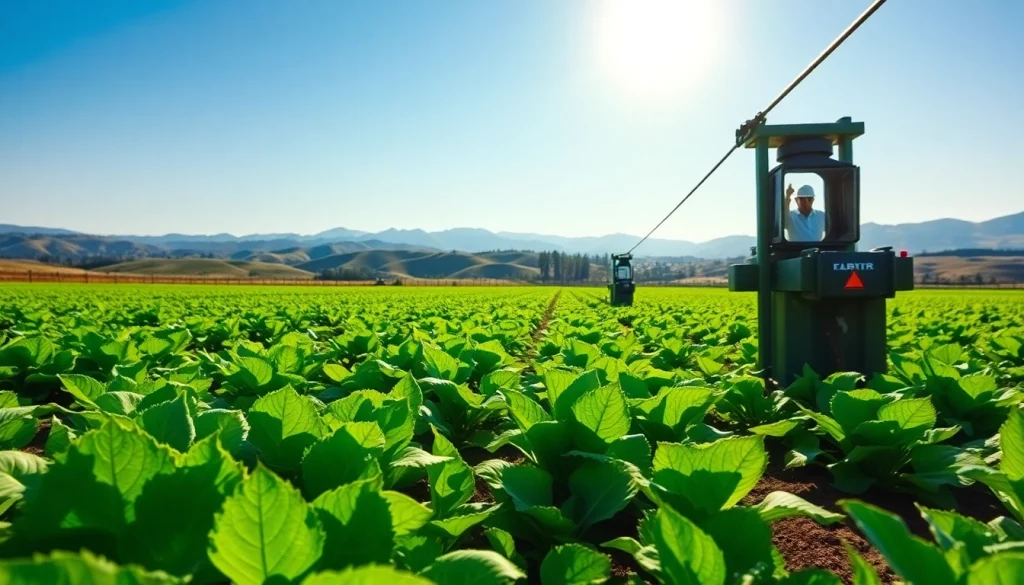
Understanding Land Irrigation
The Importance of Land Irrigation
Land irrigation is a vital aspect of modern agriculture, enabling farmers to cultivate crops efficiently, even in regions with insufficient rainfall. It allows for the controlled distribution of water, thereby improving crop yields and enhancing food security. By utilizing land irrigation, farmers can ensure consistent water availability, optimize plant growth, and combat the detrimental effects of drought and other climatic challenges.
Furthermore, proper irrigation contributes to soil health, maintains ecological balance, and can even mitigate the impact of climate change by reducing dependence on rainfall. It also supports the sustainable use of water resources, essential for preserving the environment for future generations.
Types of Land Irrigation Methods
There are several land irrigation methods, each with unique characteristics, advantages, and disadvantages. The primary types include:
- Surface Irrigation: Water is applied directly to the surface of the field, allowing it to percolate through the soil. This method is relatively inexpensive but can be inefficient if not managed properly.
- Drip Irrigation: In this method, water is delivered directly to the roots of plants through a network of tubing and emitters. It is highly efficient and reduces water waste but has higher initial installation costs.
- Sprinkler Irrigation: Water is distributed as droplets through pipes and sprayed over the crops using a system of pumps and valves. This method can be used on various terrains and is effective for large fields but may require significant infrastructure.
- Subsurface Irrigation: Water is applied below the soil surface, providing moisture directly to the root zone. This technique is efficient but requires careful planning and monitoring to avoid issues with waterlogging or salinity.
Choosing the right method depends on various factors, including crop type, soil characteristics, and available resources.
Basic Components of Land Irrigation Systems
A well-designed land irrigation system comprises several essential components that work together to deliver water efficiently:
- Water Source: This can be a river, lake, groundwater, or reservoir. It is crucial to ensure a reliable and sustainable water supply.
- Pumping Equipment: Pumps are necessary for transporting water from the source to the irrigation system. The type of pump selected must match the system’s needs and pressure requirements.
- Pipes and Tubing: These convey water from the source to the fields and must be sized correctly to minimize friction losses and maintain effective flow rates.
- Irrigation Controllers: Automated systems help regulate when and how much water is applied, ensuring optimal efficiency and reducing the risk of over-irrigation.
- Distribution Mechanisms: This includes emitters for drip systems, sprinklers for sprinkler systems, and furrows or channels for surface irrigation methods.
Each component must be carefully selected and maintained to ensure a functional irrigation system capable of meeting crop requirements.