Emotional Wellbeing Strategies for a Calm Mind and Life
Emotional wellbeing is the foundation of a calm mind and a balanced life. It affects how we think, feel, and act every day. When emotional wellbeing is strong, people handle stress better, build healthier relationships, and make clearer decisions. When it is weak, even small problems can feel overwhelming. At Calm Minds Hub, we believe that emotional wellbeing is not something you are born with or without. It is a set of skills and habits that can be learned, practiced, and strengthened over time with kindness and understanding.
Understanding Emotional Wellbeing
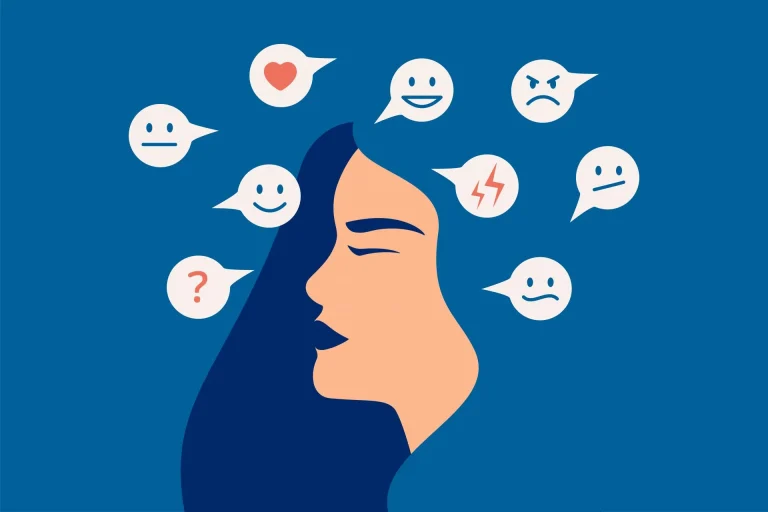
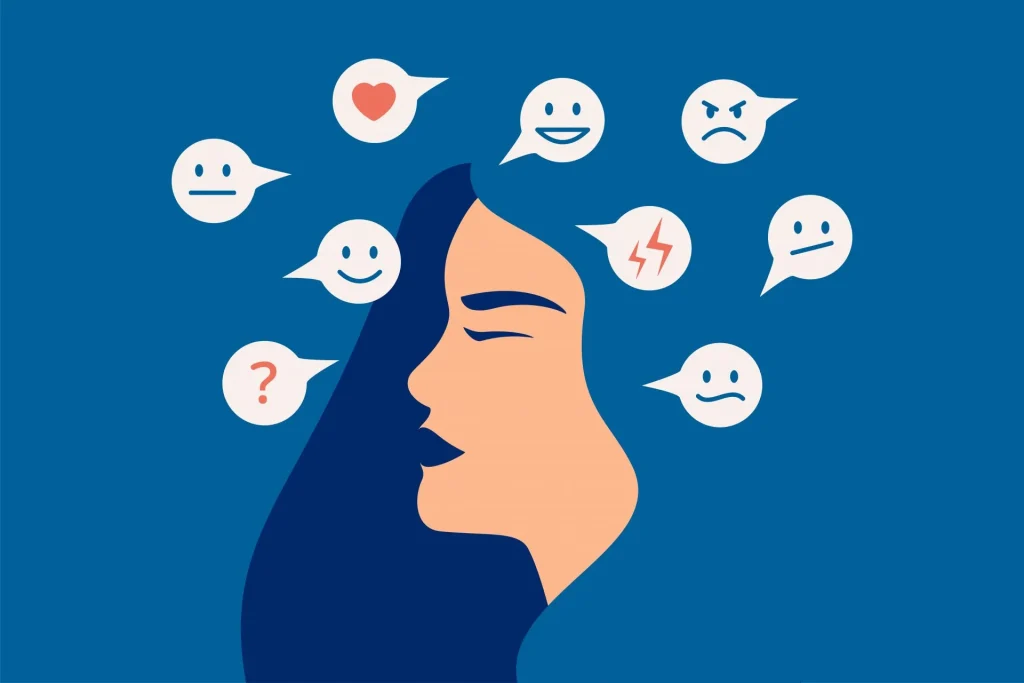
Emotional wellbeing means being able to understand, manage, and express your emotions in a healthy way. It does not mean feeling happy all the time. Instead, it means being able to handle both positive and negative emotions without feeling lost or out of control. People with good emotional wellbeing can feel sad, angry, or worried, but they know how to cope and recover.
Emotional wellbeing includes several important parts. These parts work together like pieces of a puzzle.
- Awareness of emotions and feelings
- Ability to manage stress and anxiety
- Healthy ways to express emotions
- Positive self-esteem and self-respect
- Strong and supportive relationships
Think of emotional wellbeing like the steering wheel of a car. Life is the road, and emotions are the turns, bumps, and traffic along the way. Without a strong steering wheel, the ride feels scary and unsafe. With emotional wellbeing, you stay in control even when the road gets rough.
Why Emotional Wellbeing Matters for a Calm Mind
A calm mind does not mean a mind without thoughts or worries. It means a mind that can slow down, focus, and respond instead of reacting. Emotional wellbeing plays a key role in creating this calm.
When emotional wellbeing is low, the brain stays in constant alert mode. This can lead to anxiety, sleep problems, irritability, and poor concentration. Over time, it can affect physical health too. Headaches, stomach issues, and fatigue are often linked to emotional stress.
On the other hand, strong emotional wellbeing helps the nervous system relax. The body feels safer, breathing becomes steady, and thoughts feel clearer. This calm state makes it easier to solve problems, communicate kindly, and enjoy daily moments.
Common Challenges That Affect Emotional Wellbeing
Many people think their struggles are personal failures, but emotional wellbeing is influenced by many outside factors. Understanding these challenges helps reduce shame and builds self-compassion.
Some common challenges include:
- Ongoing stress from school, work, or finances
- Anxiety about the future or past mistakes
- Poor sleep and unhealthy routines
- Lack of emotional support
- Negative self-talk and low confidence
For example, imagine a student who studies late every night, skips meals, and worries constantly about grades. Over time, emotional wellbeing weakens. The student may feel tired, anxious, and unmotivated. The problem is not laziness or weakness, but an overloaded emotional system that needs care and balance.

Emotional Wellbeing Strategies for Daily Life
Building emotional wellbeing does not require big changes all at once. Small, consistent actions can create powerful results. The following strategies are simple, practical, and supported by research in mental and emotional health.
Building Emotional Awareness
The first step to emotional wellbeing is noticing how you feel. Many people ignore emotions until they explode. Emotional awareness helps catch feelings early and respond calmly.
A helpful practice is a daily emotional check-in. Take one minute and ask yourself what you are feeling right now and why. There is no right or wrong answer. Naming emotions reduces their intensity and helps the brain process them.
You can also keep a simple journal. Write a few lines about your day and how it made you feel. Over time, patterns become clear. This awareness strengthens emotional wellbeing by turning confusion into understanding.
Healthy Ways to Express Emotions
Emotions need safe outlets. When feelings are pushed down, they often come out as anger, anxiety, or sadness later. Healthy expression protects emotional wellbeing and relationships.
Some effective ways to express emotions include:
- Talking to a trusted friend or family member
- Writing thoughts and feelings on paper
- Drawing, painting, or listening to music
- Physical movement like walking or stretching
For example, instead of yelling when frustrated, a person might take a short walk and then calmly explain their feelings. This approach supports emotional wellbeing and reduces conflict.
Managing Stress and Anxiety Gently
Stress is a normal part of life, but too much stress harms emotional wellbeing. Learning gentle stress management skills can calm the mind and body.
Deep breathing is one of the easiest tools. Slow, steady breaths signal safety to the nervous system. Try breathing in for four counts, holding for two, and breathing out for six. Repeat for a few minutes.
Another helpful method is breaking tasks into smaller steps. Big tasks feel less overwhelming when divided. Each small success builds confidence and protects emotional wellbeing.
Creating Healthy Daily Routines
Daily routines provide structure and safety for the mind. Irregular sleep, poor eating habits, and lack of movement can weaken emotional wellbeing without people realizing it.
Simple routine changes can make a big difference:
- Going to bed and waking up at similar times
- Eating regular, balanced meals
- Spending time outdoors each day
- Limiting screen time before sleep
Think of routines as anchors. When emotions feel stormy, routines keep life steady and predictable, supporting emotional wellbeing even on hard days.
The Role of Relationships in Emotional Wellbeing
Humans are social beings. Emotional wellbeing is deeply connected to relationships. Supportive connections help people feel seen, valued, and understood.
Healthy relationships involve respect, listening, and boundaries. They allow people to share feelings without fear of judgment. Toxic relationships, on the other hand, can drain emotional energy and increase anxiety.
If a relationship consistently causes stress, it may be helpful to set limits or seek guidance. Protecting emotional wellbeing sometimes means choosing peace over pleasing others.
Emotional Wellbeing and Self-Compassion
Many people are kind to others but harsh toward themselves. Self-criticism damages emotional wellbeing and increases anxiety. Self-compassion means treating yourself with the same understanding you would offer a friend.
When mistakes happen, instead of saying “I am a failure,” try saying “I am learning and growing.” This small shift changes how the brain responds to stress.
A useful practice is writing a supportive message to yourself during hard times. These messages remind the mind that struggle is part of being human and that emotional wellbeing grows through patience.
Real-Life Example of Emotional Wellbeing in Action
Consider a working parent who feels overwhelmed balancing job demands and family life. At first, stress leads to irritability and guilt. Emotional wellbeing feels low, and sleep suffers.
By practicing emotional awareness, the parent notices early signs of stress. They begin using deep breathing during breaks and set a short evening routine to unwind. They also talk openly with a partner about shared responsibilities.
Over time, emotional wellbeing improves. The parent still faces challenges, but reactions are calmer, communication is clearer, and daily life feels more manageable. This example shows that emotional wellbeing does not remove problems but changes how they are handled.
Emotional Wellbeing During Difficult Times
Life includes loss, change, and uncertainty. During these times, emotional wellbeing becomes even more important. It is normal to feel sadness or fear. The goal is not to avoid these emotions but to move through them safely.
Seeking support is a sign of strength, not weakness. Talking to a counselor, therapist, or trusted person can provide guidance and relief. Professional support can teach coping skills that protect emotional wellbeing during intense periods.
Gentle self-care also matters. Rest, nutrition, and compassion help the body and mind recover. Healing takes time, and emotional wellbeing grows slowly, like a plant that needs regular care.
Long-Term Habits That Support Emotional Wellbeing
Emotional wellbeing improves with long-term habits, not quick fixes. Consistency matters more than perfection.
Helpful long-term habits include:
- Regular reflection on thoughts and feelings
- Practicing gratitude for small positives
- Staying physically active in enjoyable ways
- Learning healthy communication skills
- Setting realistic goals and boundaries
These habits create emotional resilience. Over time, the mind becomes calmer, reactions soften, and confidence grows.
Emotional Wellbeing and Personal Growth
Personal development and emotional wellbeing go hand in hand. As people understand themselves better, they make choices that align with their values. This alignment reduces inner conflict and increases peace of mind.
Learning new skills, exploring interests, and setting meaningful goals all support emotional wellbeing. Growth does not mean constant change. It means becoming more comfortable with who you are while staying open to improvement.
At Calm Minds Hub, we focus on practical knowledge that can be applied in real life. Emotional wellbeing is not about perfection but progress supported by kindness and evidence-based guidance.
Strong Conclusion
Emotional wellbeing is a lifelong journey that shapes how we experience life, relationships, and ourselves. It is not about avoiding stress or negative emotions but about building the skills to handle them with calm and clarity. Through emotional awareness, healthy expression, supportive routines, and compassionate self-talk, anyone can strengthen emotional wellbeing.
A calm mind grows when emotional needs are understood and respected. Small daily choices create lasting change. With patience, support, and practice, emotional wellbeing becomes a steady source of strength. Calm Minds Hub is here to walk this path with you, offering reliable guidance and understanding every step of the way. Our homepage is the perfect place to begin your learning journey.
FAQs
What is emotional wellbeing in simple terms
Emotional wellbeing means understanding your feelings, managing stress, and coping with challenges in a healthy way. It helps you stay balanced even during difficult times.
How can emotional wellbeing reduce anxiety
Emotional wellbeing reduces anxiety by helping the mind feel safe and supported. Skills like emotional awareness, breathing, and healthy routines calm the nervous system and lower stress responses.
Can emotional wellbeing improve daily life
Yes, emotional wellbeing improves focus, relationships, sleep, and decision-making. When emotional wellbeing is strong, daily challenges feel more manageable and life feels more balanced.
About the Author