
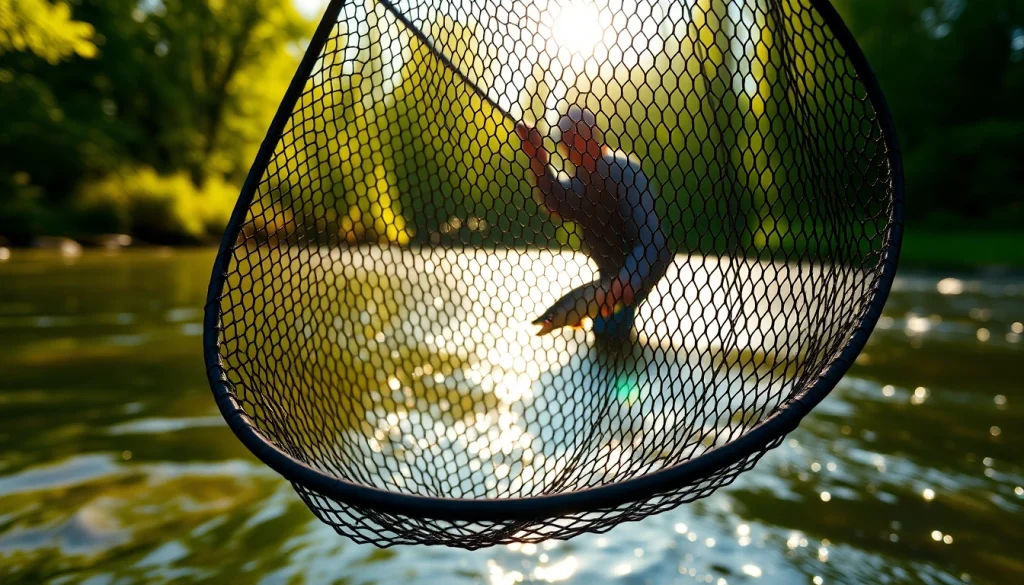
Understanding the Basics of Fly Fishing Nets
What is a Fly Fishing Net?
Fly fishing nets are specialized tools designed to assist anglers in safely landing and handling fish without causing harm. Unlike traditional fishing nets, these nets are constructed with soft materials that minimize damage to a fish’s skin and scales. Typically, they feature a hoop-shaped frame and a mesh netting, which varies in size and design to cater to different fishing environments and species. Their primary purpose is to facilitate the catch and release process, ensuring that fish can return to their habitats unharmed, thus promoting sustainable fishing practices.
How Fly Fishing Nets Differ from Other Nets
Fly fishing nets are distinct from other types of fishing nets in several ways. Firstly, their design emphasizes the gentle handling of fish. Many fly fishing nets use rubberized mesh instead of traditional nylon, which can be abrasive to fish. This consideration is particularly crucial in conservation efforts where the health of the fish population is a priority. Additionally, fly fishing nets are typically smaller and lighter, making them more suited for the delicate process of fly fishing where stealth and precision are key. In contrast, commercial or bait fishing nets are generally larger, more robust, and are not designed with catch and release in mind.
Importance of Choosing the Right Fly Fishing Net
Choosing the right fly fishing net is a critical aspect of the angling experience. An appropriate net enhances the efficiency of landing fish, reduces stress on the catch, and contributes significantly to a successful fishing trip. With various options available based on material, size, and shape, selecting the right net can lead to improved outcomes for both the angler and the fish. For those seeking quality in a fly fishing net, understanding these distinctions can make a considerable difference in the overall fishing experience.
Key Features to Look for in a Fly Fishing Net
Material and Construction Quality
The material of a fly fishing net is vital for durability and the well-being of the fish. Common materials include aluminum, wood, and fiberglass, each offering unique benefits. Aluminum nets are lightweight and resistant to corrosion, making them suitable for various environments. On the other hand, wooden nets provide an aesthetic appeal and can be sturdier, though they may require more maintenance to prevent rotting. Additionally, investing in rubber mesh nets helps reduce harm to fish, making them an increasingly popular choice among eco-conscious anglers. Proper construction ensures that the net can handle the weight and size of various fish species while remaining easy to handle.
Net Size and Shape Considerations
When selecting a fly fishing net, size and shape are crucial to consider. The net should be large enough to accommodate the fish you’re targeting while still being manageable for you. For instance, a net with a deeper bag is better for larger fish species, as it helps to prevent them from bouncing out. Conversely, a shallow net may be more effective for smaller fish or in tight fishing situations, such as stream fishing. Shapes can vary widely; traditional rectangular frames offer ample surface area, while circular frames help facilitate quick landings.
Handle Length and Grip Types
The handle of a fly fishing net can significantly affect usability. Longer handles allow for better reach, particularly in deep water or when fishing from a boat, making it easier to land fish without having to step into the water. Conversely, shorter handles offer more control when fishing from shore or in smaller streams. In addition to length, handle grip type should not be overlooked—cork handles provide comfort, while rubberized grips offer better traction in wet conditions, reducing the likelihood of dropping the net.
Benefits of Using a Quality Fly Fishing Net
Protecting Fish During Catch and Release
A quality fly fishing net plays a pivotal role in protecting fish during catch and release. High-quality nets with rubberized mesh minimize the risk of damage to the fish, preserving its protective slime layer and reducing the chance of injury. These nets are designed to help the angler safely land fish while ensuring their swift return to the water, which is essential for maintaining healthy fish populations and adhering to good conservation practices.
Improving Angler Efficiency and Success Rates
Using a well-designed fly fishing net can significantly improve an angler’s efficiency. With the right net, anglers are able to land and release fish faster, making the fishing process smoother and more productive. A net that is too small or harder to handle can lead to missed opportunities and increased stress on the fish. Anglers who invest in a quality net often find an increase in their overall success rates, enabling them to enjoy their time on the water to the fullest.
Enhancing the Fly Fishing Experience
The right fly fishing net contributes not only to the well-being of fish but also enhances the angling experience itself. A well-crafted net adds a sense of professionalism and pride to the fishing process, allowing anglers to handle their catches with care and respect. Furthermore, a quality net can boost confidence, allowing anglers to focus on the art of casting and hooking rather than worrying about how to land their catch effectively.
Top Fly Fishing Net Brands and Models
Comparing Popular Options
In the market today, several brands stand out due to their reputation for quality and innovation in manufacturing fly fishing nets. Companies like Fishpond, NetFender, and Frabill offer various models suitable for different fishing styles and environments. For instance, Fishpond’s nets are known for their eco-friendly materials and ergonomic designs, while Frabill focuses heavily on durability and performance. When comparing options, consider factors such as intended use, handling preferences, and budget, as each brand brings something unique to the table.
Insights from Customer Reviews
Customer reviews provide invaluable insights into the performance of fly fishing nets. Prospective buyers should examine feedback on aspects like net durability, ease of use, and overall functionality. Many anglers emphasize the importance of handling experience, often noting that rubber mesh nets improve fish recovery rates during release. Additionally, customer feedback frequently highlights specific brand strengths, allowing buyers to make an informed choice based on real-world experiences rather than just marketing promises.
Price Points and Performance Analysis
Pricing for fly fishing nets can vary widely based on materials, brand reputation, and features. Lower-end nets may range from $30 to $50, while more advanced models can exceed $200. It’s important for anglers to assess their specific needs and how often they fish. Higher-priced nets often come with advanced features like telescopic handles and high-quality mesh, which can enhance the overall fishing experience. A thorough performance analysis balances cost with the expected quality and longevity of the net, ensuring that anglers get good value for their investment.
Best Practices for Using and Maintaining Your Fly Fishing Net
Proper Usage Techniques for Effective Fishing
To maximize the effectiveness of a fly fishing net, anglers should adopt proper usage techniques. When approaching a fish, it’s crucial to maintain a steady and calm demeanor to avoid spooking the catch. Utilizing the net at the right moment is essential; wait until the fish is close enough for a quick landing but not too close to cause it to leap out of the water. Always keep the net at the water’s surface while guiding the fish in, ensuring its safety as you secure the catch.
Caring for Your Fly Fishing Net Between Trips
Maintaining your fly fishing net between trips is key to prolonging its lifespan. After each use, rinse the net with freshwater to remove contaminants like salt, dirt, and algae that may harm the mesh or frame over time. Inspect the net for any signs of wear or damage, and store it in a cool, dry place to avoid mold or degradation. For wooden frames, occasional treatment with wood oil can help preserve the material and maintain its aesthetics.
Storing and Transporting Your Net Safely
Proper storage and transportation methods can prevent damage to your fly fishing net. Many anglers prefer to use protective cases or sleeves tailored to fit their nets, which can prevent entanglement and snagging during transport. Additionally, when storing your net in a vehicle, ensure it is secure and not subjected to heavy pressure or objects that could deform the frame. Observing these best practices will keep your net in optimal condition and ready for your next fishing adventure.