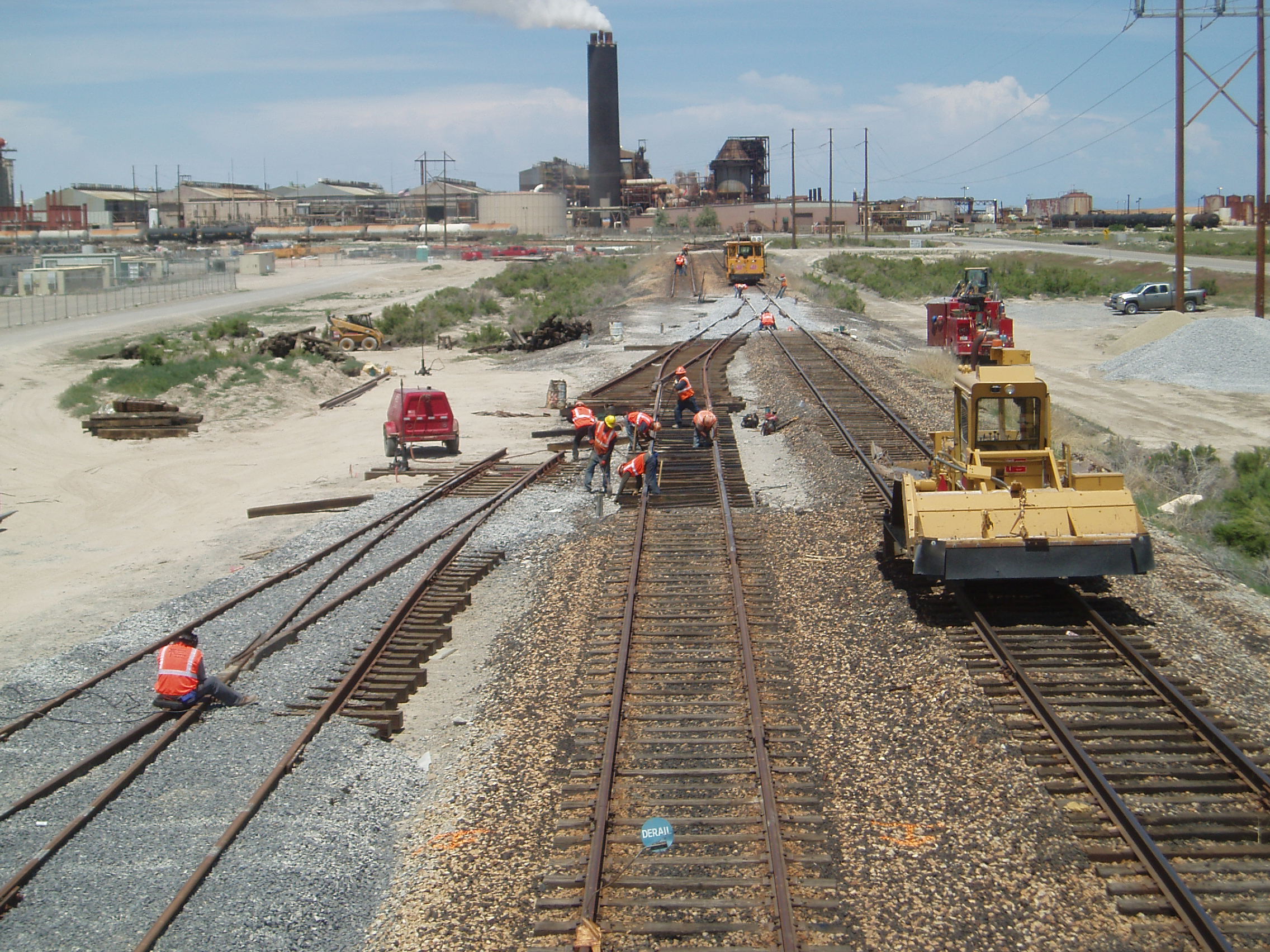

Understanding Construction Safety Programs
Definition and Purpose
Construction safety programs are structured plans designed to ensure the health and safety of workers on construction sites. Their primary purpose is to minimize accidents and injuries by outlining safety protocols, training requirements, and emergency procedures. These programs are essential for creating a culture of safety where all employees recognize and prioritize safety in their daily tasks. The integration of comprehensive construction safety programs not only protects workers but also assures compliance with legal regulations and standards.
Key Components of Effective Programs
An effective construction safety program comprises several key components:
- Risk Assessment: Identifying potential hazards present on-site through regular inspections and reporting procedures.
- Training and Education: Providing workers with knowledge of safety practices, hazard recognition, and emergency response protocols.
- Personal Protective Equipment (PPE): Ensuring appropriate safety gear is available and properly used by all personnel.
- Safety Policies: Clearly outlined procedures and policies that govern workplace safety behaviors.
- Communication: Mechanisms for sharing information about potential hazards and safety updates among workers and management.
Importance of Safety Regulations
Regulatory compliance is a crucial aspect of construction safety programs. Various organizations, including the Occupational Safety and Health Administration (OSHA), establish guidelines to ensure worker safety. These regulations mandate specific practices which must be followed, thus minimizing the risk of accidents. Adhering to these safety regulations not only protects employees but also shields companies from potential legal repercussions and financial liabilities associated with workplace injuries.
Common Risks and Hazards in Construction
Identifying Potential Hazards
Construction sites are fraught with potential risks and hazards that can vary based on the project type. Common hazards include:
- Falls: The leading cause of fatalities in construction, often due to unguarded edges, improper use of ladders, or scaffolding.
- Struck-by Objects: Injuries caused when workers are hit by falling or swinging objects, necessitating adequate safety measures such as hard hats and exclusion zones.
- Electrical Hazards: Risks associated with exposed wires, improper grounding, or working near power lines.
- Hazardous Materials: The presence of chemicals, asbestos, and other toxic substances that require specific handling and protective equipment.
Workplace Safety Violations
Despite existing guidelines, violations in construction safety regulations frequently occur. Common violations include the lack of PPE use, insufficient training, inadequate fall protection, and failure to communicate hazards. Addressing these violations is essential; failure to do so can lead to severe consequences, including workplace accidents, injuries, or even fatalities. Organizations must ensure strict adherence to established safety protocols to foster compliance and mitigate risks.
Statistics on Construction Accidents
The significance of implementing effective construction safety programs is underscored by alarming statistics on accidents. For instance, studies show that construction work accounts for a considerable number of workplace fatalities annually. According to the Bureau of Labor Statistics, thousands of construction workers face injuries each year, many of which could have been prevented with proper safety measures in place. Analyzing accident data helps organizations identify trends and continuously enhance safety efforts.
Implementing Successful Construction Safety Programs
Steps for Program Development
Developing an effective construction safety program involves a systematic approach:
- Conduct a Hazard Assessment: Evaluate the workplace for potential risks and document your findings.
- Set Clear Objectives: Define what the program aims to achieve, including incident reduction targets.
- Develop Policies and Procedures: Formulate safety policies based on the identified risks and ensure they are accessible to all workers.
- Implement Training Programs: Facilitate ongoing training to educate workers about potential hazards and safety practices.
- Communicate and Disseminate Information: Ensure that all stakeholders are informed of safety policies and protocols.
- Monitor and Update the Program: Regularly review and revise the program based on feedback and incident trends.
Training and Education for Workers
Training is a cornerstone of any construction safety program. Regular workshops and seminars educate workers on relevant safety topics such as hazard recognition, emergency procedures, and the proper use of PPE. Simulation training can also help prepare workers for real-life scenarios, ensuring they are ready to respond appropriately during emergencies. The effectiveness of training can be evaluated through testing and practical assessments.
Utilizing Safety Equipment Effectively
Proper use of safety equipment is vital to minimize risks on construction sites. Employers must ensure that all necessary safety gear, such as helmets, gloves, goggles, and harnesses, is provided to workers. Training in the correct usage and maintenance of this equipment enhances safety outcomes. It’s also essential to regularly inspect and replace worn or damaged equipment to ensure maximum protection for employees.
Monitoring and Evaluating Safety Programs
Performance Metrics to Consider
To ensure the effectiveness of construction safety programs, organizations should establish performance metrics. Metrics can include:
- Incident Rates: Tracking the number of accidents or near-misses over time helps assess program effectiveness.
- Training Completion Rates: Monitoring worker engagement in safety training can highlight areas for improvement.
- Employee Feedback: Gathering worker insights through surveys or meetings can uncover potential safety issues or training gaps.
- Compliance Audits: Regularly reviewing adherence to safety protocols ensures ongoing compliance with regulations.
Adjusting Programs Based on Feedback
Continuous evaluation and feedback collection are crucial components of successful construction safety programs. Organizations must remain flexible and willing to adjust policies and training programs based on worker feedback and incident reports. Embracing a culture of open communication encourages workers to voice concerns and suggestions, which can lead to significant improvements in workplace safety.
Importance of Continuous Improvement
Safety is a dynamic aspect that requires ongoing commitment and improvement. Organizations should approach safety as a continuous journey rather than a destination. Investing in regular training updates, staying informed about new safety technologies, and being proactive in risk management are essential for maintaining high safety standards. A focus on continuous improvement enhances employee morale, promotes safety culture, and ultimately reduces accident rates.
Frequently Asked Questions About Construction Safety Programs
What are the basic elements of a construction safety program?
The basic elements include hazard identification, safety training, reporting procedures, and emergency responses to ensure comprehensive safety protocols.
How often should training be conducted?
Training should occur recurrently, ideally every 6-12 months, or when new hazards are identified, to keep workers informed and prepared.
What is the role of safety equipment in construction safety programs?
Safety equipment plays a critical role by providing essential protection, significantly reducing injury risks on construction sites through correct usage.
How can workers report safety violations?
Workers should report violations directly to their supervisors or utilize anonymous hotline solutions to ensure that safety issues are promptly addressed.
What is the impact of safety programs on construction companies?
Effective safety programs result in fewer accidents, enhanced company reputation, and can lead to lower insurance costs, benefiting overall business operations.