
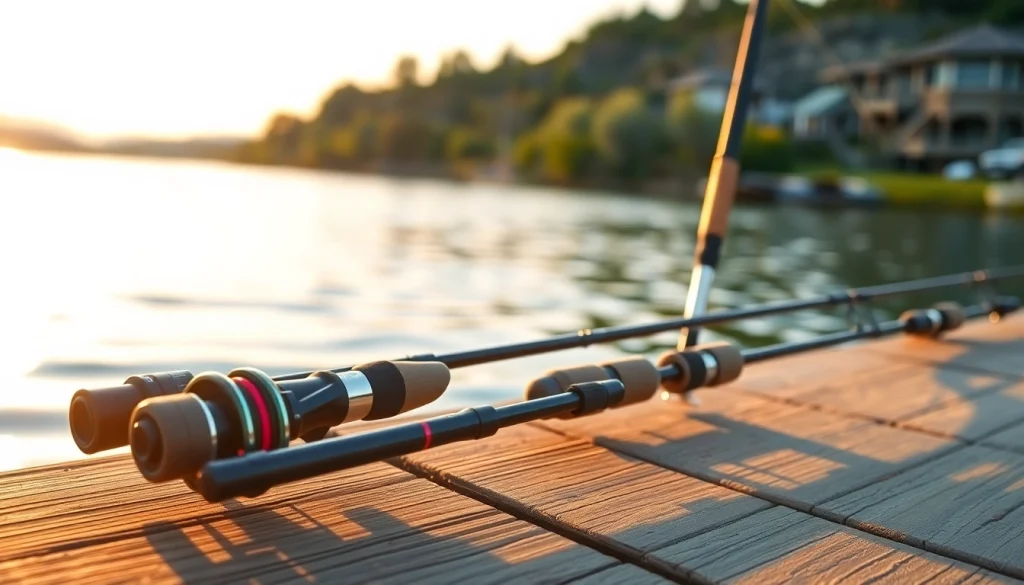
Understanding Fly Fishing Rods
Fly fishing is an art that requires precision, technique, and the right equipment. At the heart of this sport is the fly fishing rod. Understanding what makes a fly fishing rod different from standard fishing rods is crucial for any angler aiming to optimize their experience on the water. For detailed insights into the Best fly fishing rods, it’s essential to grasp the fundamental characteristics that influence performance.
What Makes a Fly Fishing Rod Different?
Fly rods are specially constructed to cater to the unique demands of fly fishing. Their design is characterized by a lightweight build that requires casting techniques distinct from traditional rods. Unlike spinning rods that load with weight due to the lure, fly rods work by casting the line and allowing the weight of the line to propel the fly. This necessitates a greater sensitivity and flexibility in rod construction, often achieved with advanced materials such as graphite or fiberglass. These rods are generally longer, providing better casting reach and improved line control.
Key Features of the Best Fly Fishing Rods
- Action: This defines how much a rod bends during a cast. Fast action rods bend mostly at the tip, while slow action rods bend throughout their length. The right action influences casting technique and fly presentation.
- Length: Fly rods typically range from 7 to 10 feet. Longer rods offer greater distance and line control, while shorter rods provide better maneuverability in tight spaces.
- Weight: Rod weights typically range from 1 to 12, with lighter weights best for small fish and heavier weights for larger species. Choosing the right weight corresponds with the type of fish targeted.
- Materials: Options include fiberglass, graphite, or composite materials. Each offers different benefits, such as weight, sensitivity, and durability.
Types of Fly Rods Explained
Understanding the types of fly rods can greatly enhance your fishing experience, allowing you to select gear that best suits your fishing style.
- Freshwater Rods: Designed specifically for rivers and lakes, these rods are typically lightweight and suitable for smaller fish species.
- Saltwater Rods: Built to endure the corrosive nature of saltwater, these rods are sturdier and designed for casting heavier flies.
- Switch and Spey Rods: Ideal for casting larger flies in rivers, switch rods allow for both single-hand and two-hand casting techniques.
- Ultra-Light Rods: These rods are perfect for small streams and creeks, offering more finesse for delicate presentations.
Choosing the Right Weight
Choosing the appropriate weight rod is critical for enhancing your fishing experience. The weight of the rod directly impacts casting capability and the types of fish you can effectively target.
Understanding Rod Weights and Their Impact
Each fly rod is assigned a weight descriptor, typically rated from 1 to 12. A weight 1 rod is ultra-light and best suited for small fish such as panfish, while weight 12 rods are heavy-duty for species like tarpon. The rod weight needs to match both the fishing line and the fly being used, as an imbalance can hinder performance. Lighter weights provide accuracy at short distances, while heavier weights help cast larger flies over longer distances.
Benefits of Light vs. Heavy Fly Rods
Choosing between light and heavy fly rods involves assessment of the fishing environment and species targeted. Light rods allow for more finesse and are perfect for delicate presentations, making them ideal for trout or panfish. Heavy rods, on the other hand, provide greater leverage and control for casting bigger flies to larger species like musky or saltwater fish. The outcomes you seek, be it precision or power, will guide the appropriate selection.
Recommended Weights for Various Species
Understanding which weight is optimal for different species can inform your choices:
- Trout: Use a 4-6 weight rod.
- Bass: Opt for a 6-8 weight rod.
- Salmon: Choose an 8-10 weight rod.
- Saltwater Species: Employ a 9-12 weight rod for durability and performance.
Best Fly Fishing Rods for Beginners
New anglers often feel overwhelmed by the variety of fly rods available. Knowing which ones are best for beginners can streamline the selection to enhance the learning experience.
Affordable Options for New Anglers
For beginners, it’s essential to select rods that combine quality and affordability. Brands offer models that provide great performance without breaking the bank, typically in the 4-6 weight range for versatility in freshwater fishing.
Essential Features for Learning
When buying your first fly rod, look for these essential features: a forgiving action that is less stiff, which makes it easier to learn proper casting techniques, and a balanced weight that aids in control while managing different line weights. Ultimately, a lightweight yet durable rod can significantly enhance the learning process.
Tips for Selecting Your First Rod
Start by understanding where you’ll fish most often. If on small rivers, a shorter rod might be best, while larger lakes might warrant longer rods. Visit local shops to get a feel for different rods and ask for recommendations. Always check for a warranty as they can be beneficial for new anglers who may be prone to errors.
Advanced Rod Features
For the enthusiast angler, advanced features and technology in fly rods can enhance performance, presenting opportunities for customization and improvement.
High-End Materials and Technology
Many top-tier fly rods are constructed from high-modulus carbon fibers or specialized composite materials that enhance sensitivity and reduce weight. Look for features such as double-wrapped guides and high-grade cork handles that not only improve functionality but also offer greater durability for extensive usage.
Customization Options for Serious Fishers
Customization can take the experience to the next level, allowing you to tailor the rod’s specifications. Some manufacturers offer bespoke lengths, weights, and action types based on your personal preferences and fishing style. This is particularly beneficial for competitive anglers who desire unique customization to fine-tune performance.
Performance Metrics to Consider
When investing in advanced fly rods, consider metrics such as casting distance, accuracy, and sensitivity to detect strikes. Real-world performance during specific fishing conditions is also essential for understanding how well the equipment operates under pressure, highlighting the need for extensive testing before making a purchase.
Maintaining Your Fly Rod
The longevity of your fly rod depends significantly on how well you maintain it. Proper care and maintenance are essential for optimal performance in the long run.
Best Practices for Cleaning and Storage
After each fishing trip, rinse your rod with fresh water to remove contaminants. Dry it thoroughly, ensuring that no water is trapped in the guides. Store your rod in a cool, dry place, preferably in a protective case to prevent bending and cracking.
How to Repair Common Rod Issues
Common issues include guide wear and broken tips. Minor repairs such as re-gluing a tip can often be performed at home. For bigger breaks, consult a professional repair service that specializes in fly rods, as improper repairs may lead to further damage.
When to Replace Your Fly Rod
Replace your fly rod if it shows significant signs of wear, such as cracks, splintering, or if it fails to perform as expected despite maintenance. Investing in new technology may also warrant a fresh upgrade when the performance benefit outweighs the cost of maintaining an older rod.
FAQs
What is the best fly rod length for beginners?
A rod length of 9 feet is generally considered ideal for beginners, offering a good balance between control and casting distance.
How do I know what weight fly rod to get?
Your choice should depend on the species you wish to target. Lighter weights are for small fish, while heavier weights are needed for larger species.
Can I use a fly rod for conventional fishing?
While technically possible, fly rods are not designed for conventional fishing. Their design caters to the intricacies of fly casting and line management.
How often should I clean my fly rod?
After every fishing trip, rinse your rod to remove dirt and saltwater, and wipe it down to prevent wear. Regular maintenance will extend its life significantly.
Is it worth investing in a high-end fly rod?
Yes, a higher-end fly rod often offers better sensitivity, balance, and durability, enhancing your overall fishing experience, especially for serious anglers.