Understanding Fluted Wood Panels
What Are Fluted Wood Panels?
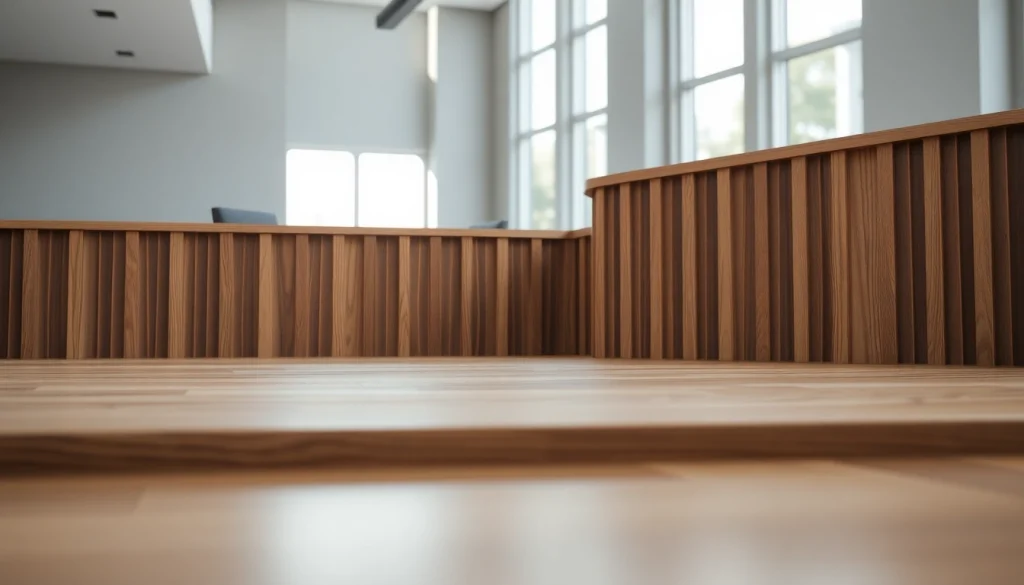
Fluted wood panels are a decorative architectural element featuring vertical grooves or channels that run along their surface. These panels provide a unique visual texture, enhancing both aesthetics and functionality in various interior spaces. Often crafted from high-quality hardwoods, fluted wood panels are not only elegant but also versatile, making them suitable for various design styles. Their intricate patterns can add depth and character to walls, ceilings, and furniture, positioning them as a preferred choice for modern interior design projects. If you’re looking to elevate your spaces, incorporating fluted wood panels may be an ideal solution.
Applications in Interior Design
Fluted wood panels serve multiple purposes in interior design. They can be employed as wall coverings, creating a stunning focal point in living rooms or dining areas. Additionally, they are frequently used in cabinetry, accent walls, and even ceilings to add visual interest. Their ability to blend seamlessly with numerous design themes, from contemporary minimalism to traditional elegance, makes them highly desirable. Moreover, fluted wood panels can be incorporated in commercial spaces, such as offices and retail stores, where they enhance brand identity and create an inviting atmosphere.
Benefits of Using Fluted Wood Panels
Utilizing fluted wood panels in your designs offers a multitude of benefits. Firstly, they create a sense of depth and texture, which can transform the overall ambiance of a space. Secondly, fluted wood panels contribute to better acoustics by diffusing sound, which can be particularly advantageous in large rooms or public areas. Furthermore, they can improve insulation, potentially leading to energy savings. Their durability is another significant advantage, as high-quality wood panels can withstand wear over time while retaining their aesthetic appeal. Lastly, the ease of maintenance makes fluted wood panels an attractive option for homeowners and designers alike.
Choosing the Right Fluted Wood Panels
Types of Fluted Wood Panels
When selecting fluted wood panels, there are various types to consider, each offering distinct characteristics. Solid wood panels are prized for their durability and rigidity, making them ideal for high-traffic areas. Engineered wood panels, on the other hand, offer greater flexibility and resistance to warping, which can be beneficial in regions with fluctuating humidity levels. Additionally, panels can vary in groove width and depth, allowing for personalized design choices. Furthermore, customizable options, such as size and finish, can cater to specific project requirements.
Factors to Consider When Selecting Panels
Choosing the right fluted wood panels requires careful consideration of several factors. First is the intended use of the panels; for instance, are they for decorative purposes or functional applications? Next, one should evaluate the wood species, with options ranging from oak to walnut, influencing both look and durability. It’s also essential to consider the panel thickness, especially for wall installations. Lastly, understanding your budget is crucial, as high-quality panels may come at a premium but can ultimately be worth the investment due to longevity and aesthetics.
Finishes and Materials for Fluted Wood Panels
The selection of finishes and materials plays a vital role in the final appearance of fluted wood panels. Natural stains enhance the wood’s inherent beauty, allowing the grain to show through while adding color. Matte finishes are becoming increasingly popular due to their modern appeal and ability to reduce glare. For those seeking additional protection, clear sealants safeguard wood against moisture and wear without altering its natural look. Additionally, customization through painted finishes provides an opportunity to align panels with specific design themes or color palettes.
Installation of Fluted Wood Panels
Preparing Your Space for Installation
Before installing fluted wood panels, it is crucial to prepare your space effectively. Start by measuring the area where the panels will be placed, ensuring the dimensions are accurate to prevent any miscalculations. Next, clear the area of furniture and decor to provide ample working space. Additionally, inspect the wall or surface where the panels will go; it should be clean, dry, and smooth for optimal adhesion. Address any repairs needed, such as filling in holes or smoothing uneven surfaces, to create a seamless installation process.
Professional vs. DIY Installation
Deciding between professional installation or a DIY approach depends on several factors, including experience and complexity. Professional installers bring expertise and can ensure that panels are correctly aligned and securely attached. This option is ideal for those who prefer a hassle-free experience or are working with larger or more intricate projects. Conversely, DIY installation can be an exciting and cost-effective method for those with a knack for home improvement. However, careful attention must be paid to detail to avoid common pitfalls.
Common Mistakes to Avoid During Installation
There are several common mistakes to watch out for during the installation of fluted wood panels. One of the most prevalent errors is improper measurement, which can lead to panels that do not fit correctly. Additionally, failing to account for the expansion and contraction of wood can result in gaps or warping over time, so leaving the appropriate space is essential. Lastly, using inadequate adhesives or fasteners can compromise the panels’ stability, so choose high-quality materials for long-lasting results.
Maintaining Fluted Wood Panels
Cleaning and Care Tips
Maintaining fluted wood panels is straightforward. Regular cleaning is essential to keep them looking their best. Use a soft, damp cloth to gently wipe away dust and dirt. Avoid harsh chemicals that may damage the wood finish, opting instead for a mild soap solution when necessary. For stubborn stains, a wood-safe cleaner can be used, but always test it in an inconspicuous area first. Regular dusting keeps the grooves free from debris, contributing to the overall longevity of the panels.
Protecting Against Damage
To protect fluted wood panels from damage, it’s essential to take proactive measures. Avoid exposure to direct sunlight, which can cause fading over time. Using window treatments can help mitigate this risk. Additionally, consider using coasters and placemats to prevent scratches from furniture or heavy items placed on the panels. If installed in areas prone to moisture, such as kitchens or bathrooms, ensure the panels are correctly sealed to guard against water damage, preserving their integrity for years to come.
Periodic Maintenance Checklists
Establishing a periodic maintenance checklist will help ensure your fluted wood panels remain in excellent condition. Every few months, inspect the panels for signs of damage or wear, checking for cracks or separation at the seams. Gently clean the surface to avoid dirt accumulation. Annually, consider refinishing the panels if they show signs of dullness or scratches. Finally, review the installation integrity, checking fasteners and adhesives to ensure the panels remain securely attached.
Innovative Uses of Fluted Wood Panels
Extending Beyond Walls: Creative Applications
Fluted wood panels are not limited to just walls. Their unique design allows for innovative applications in various contexts. For instance, they can be used to create columns or architectural features that draw the eye upward, enhancing spatial perception. Fluted wood can also be incorporated into furniture design, such as cabinetry, headboards, or accent tables, where they can add distinctiveness to functional pieces. As a creative element, they can define spaces without the need for barriers, perfect for open-concept designs.
Lighting Techniques to Enhance Panels
Lighting plays a vital role in showcasing fluted wood panels. Properly placed lighting can accentuate the texture and depth of the grooves, creating dramatic shadows that highlight their design. Wall-mounted or recessed lighting can be strategically positioned to create a warm ambiance, while LED strip lights can be installed along the seams or edges to create an inviting glow. Layered lighting techniques, which combine ambient, task, and accent lighting, can enhance the beauty of fluted wood panels while improving overall room functionality.
Case Studies: Successful Implementations
Several successful implementations showcase the versatility of fluted wood panels in various settings. In one residential project, fluted wood panels were used to create a stunning feature wall behind a fireplace, enhancing the focal point of the living room. In a commercial setting, a trendy cafe utilized fluted wood panels along the counter front, adding texture and warmth to the space while creating an inviting atmosphere for patrons. These examples illustrate how fluted wood panels can transform both residential and commercial environments through thoughtful design choices.
Frequently Asked Questions
What are the advantages of using fluted wood panels?
Fluted wood panels add texture, depth, and elegance to interiors, improve insulation, and are durable.
How do I clean fluted wood panels?
Use a soft, damp cloth to wipe them regularly; avoid harsh chemicals that can damage the wood.
Can fluted wood panels be used in bathrooms?
Yes, but ensure proper sealing to protect against moisture damage in humid areas.
What finishes work best for fluted wood panels?
Natural stains, matte finishes, or clear sealants enhance their appearance while providing protection.
Are fluted wood panels suitable for both modern and traditional designs?
Absolutely! They versatilely complement various design styles, from contemporary to classic interiors.