
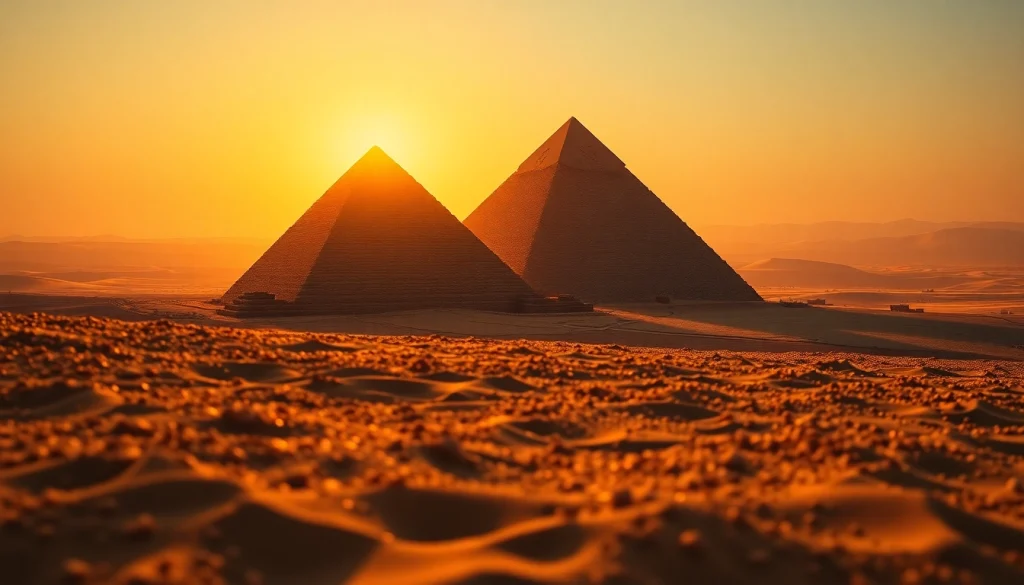
The Significance of Pyramids in Ancient Egypt
The pyramids represent one of the most iconic symbols of ancient Egypt, captivating the imagination of people throughout the centuries. These monumental structures served not just as tombs for the pharaohs, but also as a reflection of the rich cultural, spiritual, and political fabric of Egyptian civilization. The term piraminds often brings to mind the majestic pyramids of Giza, but the significance of these structures goes far beyond mere architecture or construction techniques.
The Cultural Importance of Pyramids
Pyramids were central to Egyptian culture, embodying the country’s artistic and architectural advancements. They served as focal points for religious rituals and communal gatherings. Each pyramid was part of a larger necropolis, which included temples, chapels, and even smaller tombs. This interconnectedness reflects the holistic approach to life and death in ancient Egyptian society.
Pyramids and Egyptian Religion
Religion was profoundly intertwined with the construction and use of pyramids. The Egyptians believed in an afterlife where the deceased would live eternally. The pyramid was not merely a tomb; it was designed as a gateway to the heavens. Each pyramid was oriented with an astronomical precision that aligned with significant celestial bodies, such as the North Star, further emphasizing its spiritual significance.
Pyramids as Symbols of Power
In ancient Egypt, the size and grandeur of a pyramid were direct reflections of a pharaoh’s power and divine status. The Great Pyramid of Giza, built for Pharaoh Khufu, is a testament to this principle, standing as the tallest man-made structure for over 3,800 years. Such edifices not only demonstrated architectural mastery but also solidified the pharaoh’s place as a god on Earth, reinforcing the social hierarchy.
The Construction Techniques of the Pyramids
The great pyramids were not built overnight; they represent centuries of cumulative knowledge in engineering, architecture, and resource management. Understanding how these ancient Egyptians constructed such monumental edifices provides insight into their advanced societal structure.
Materials Used for Building
The construction of the pyramids predominantly utilized limestone, granite, and basalt. Limestone sourced from nearby Tura was ideal for the outer casing, while the core of the pyramids often consisted of cheaper limestone and granite blocks. The granite, quarried from Aswan — over 800 kilometers south of Giza — showcased the logistical prowess of the Egyptians in transporting these immense stones across substantial distances.
Labor and Workforce Management
Contrary to the popular belief that pyramids were built by enslaved individuals, recent studies suggest a workforce of skilled laborers who were well-compensated and respected. Teams of laborers rotated in and out of work on the pyramids, which not only ensured a steady influx of manpower but also minimized worker fatigue. This system of management demonstrates a level of organization that was advanced for its time.
Innovative Engineering Solutions
The engineering challenges involved in pyramid construction led to several innovative solutions. Techniques such as the use of ramps — possibly straight, zig-zagging, or circular — enabled workers to transport stone blocks up the rising structure. Additionally, the alignment of pyramids with cardinal points showcases the Egyptians’ understanding of geometry and astronomy as essential components of their engineering prowess.
Famous Pyramids and Their Characteristics
While the Great Pyramid of Giza is the most renowned, many other pyramids across Egypt exhibit unique characteristics that contribute to our understanding of ancient Egyptian civilization.
A Detailed Look at the Great Pyramid
The Great Pyramid, built around 2580 BCE, is the largest of the three Giza pyramids. Originally standing at 146.6 meters, it comprised approximately 2.3 million blocks of stone, weighing between 2.5 to 15 tons each. The precision of its construction, with a base covering 13 acres, reflects not only advanced engineering skills but also the resources available to the pharaoh at that time.
Other Notable Egyptian Pyramids
Aside from the Great Pyramid, the Pyramid of Khafre, and the Pyramid of Menkaure are also significant. The Pyramid of Khafre appears taller due to its elevated position and retains some outer casing stones, offering a glimpse into its original brilliance. Meanwhile, the smaller Pyramid of Menkaure stands as a testament to shifting architectural styles and symbolism in funerary practices.
Comparing Pyramids Across Cultures
Pyramidal structures are not exclusive to Egypt; they appear in various forms across different cultures. The pyramids of Mesoamerica, such as those built by the Aztecs and Maya, served different purposes but share architectural similarities. These structures often served as temples or platforms for ritualistic practices, indicating a common cultural thread in the symbolic representation of ascent to the heavens.
Modern Discoveries and Research on Pyramids
Recent advancements in technology and archaeological methodologies have unveiled numerous insights about pyramid construction and their historical context, continuing to fascinate researchers and historians alike.
Technological Advances in Pyramid Studies
Techniques such as LiDAR (Light Detection and Ranging) have revolutionized how archaeologists survey ancient sites. This technology allows researchers to map structures hidden beneath dense vegetation and understand the broader architectural context of pyramids, revealing large urban designs associated with their construction.
Recent Archaeological Findings
Excavations have uncovered lost chambers, previously unseen burial sites, and tools left behind by workers, which provide deeper insights into daily life at the time of construction. Most notably, the discovery of the village near the Great Pyramid has shifted perspectives on labor management and worker lifestyles.
Myths and Facts Surrounding the Pyramids
Many myths surround the construction and purpose of pyramids, often fueled by misunderstandings and sensationalism. For instance, the idea that aliens were involved in the construction lacks credible evidence. Ongoing research continues to dispel these myths while enriching our understanding of ancient Egyptian life, beliefs, and cultural practices.
Visiting the Pyramids: An Experience Like No Other
For those wishing to witness these monumental structures in person, planning a visit requires understanding the best practices for fully experiencing the pyramids while respecting their cultural significance.
Best Times to Visit the Pyramids
Considered year-round tourist destinations, the pyramids can be visited throughout the year. However, the cooler months, from October to April, offer a more pleasant experience. Early mornings or late afternoons are ideal to avoid the midday heat and crowds.
Guided Tours and Experiences
Engaging with knowledgeable guides can enhance the overall experience. Many tours offer detailed narratives about the history, myths, and construction techniques while allowing time to explore the sites at a leisurely pace. Specialized tours can provide access to lesser-known areas and insights into ongoing conservation efforts.
Preservation Efforts and Visitor Impact
As tourism increases, so do the challenges of preservation. Authorities strive to balance visitor access with conservation efforts, including limiting access to certain areas and enhancing infrastructure around tourist sites. High-impact tourism can affect the structural integrity of the pyramids, so efforts to educate visitors about preservation are vital.
FAQs about the Pyramids
What is the oldest pyramid in Egypt?
The Step Pyramid of Djoser is the oldest known major stone structure, dating back to around 2670 BC. It served as a monumental tomb for the third dynasty pharaoh.
How many pyramids exist in Egypt?
Egypt is home to over 100 pyramids, primarily located in the Giza and Saqqara regions. Each of these offers unique architectural and historical insights.
Can you go inside the pyramids?
Some pyramids allow limited access to specific chambers. Visitors typically need tickets and may be required to join guided tours for deeper exploration.
What was the purpose of the pyramids?
Pyramids were built as monumental tombs for pharaohs, designed to ensure their safe passage into the afterlife and reflect their divine status on Earth.
How did the Egyptians build the pyramids?
Ancient Egyptians used a skilled labor force and basic machines to transport and stack heavy stones. Organization and planning were critical to their successful construction.