Understanding the Basics of Gardening
What is Gardening?
Gardening is a rewarding activity that involves cultivating plants, whether for aesthetic enjoyment, food production, or environmental benefits. It combines elements of design, agriculture, and ecology to create a living space that can flourish with the right conditions. Engaging in Gardening allows individuals to connect with nature, understand plant biology, and even reap the benefits of fresh produce.
The Importance of Soil Quality in Gardening
The foundation of a healthy garden lies in its soil. Quality soil provides essential nutrients, retains moisture, and sustains beneficial microorganisms. There are several soil types, including clay, sandy, and loamy soil, each with distinct characteristics. For successful gardening, it’s crucial to test your soil’s pH and nutrient levels, amend it accordingly, and ensure effective drainage. Organic matter, such as compost, can significantly improve soil health.
Choosing the Right Plants for Your Garden
The plants you select for your garden will largely depend on factors such as climate, soil type, and the amount of sunlight available. It’s essential to choose plants that are well-suited to your environment and to understand their specific growth requirements. Native plants are often a great choice because they are already adapted to local conditions and require less maintenance. Additionally, considering plants’ size and spread at maturity will help in planning your garden layout effectively.
Gardening Preparation and Planning
Site Selection and Sunlight Requirements
Choosing the right location for your garden is key to its success. Most plants need at least six hours of sunlight daily, so selecting a brightly lit area is essential. However, it’s not just about light; you also need to consider other factors like wind exposure, accessibility for maintenance, and proximity to water sources. Observing your garden space throughout the day will help ascertain the sunlight patterns and inform your plant placement decisions.
Seasonal Timing for Gardening Activities
Understanding the seasonal calendar is critical for timing your gardening activities. Different plants thrive in different seasons; for instance, cool-season crops like lettuce and peas can be planted in early spring or fall, while warm-season crops like tomatoes and peppers should be planted after the last frost. Keeping a gardening calendar can help you schedule planting, harvesting, and other necessary actions.
Creating a Gardening Layout that Works
A well-structured garden layout can significantly affect its productivity and aesthetics. Techniques such as crop rotation, companion planting, and raised beds can optimize space and improve plant health. Utilizing a grid layout can aid in accessibility and organization, ensuring that you can easily navigate your gardening space. Moreover, incorporating pathways not only makes maintenance easier but also adds a decorative element to your garden.
Essential Tools and Supplies for Gardening
Basic Gardening Tools Every Gardener Needs
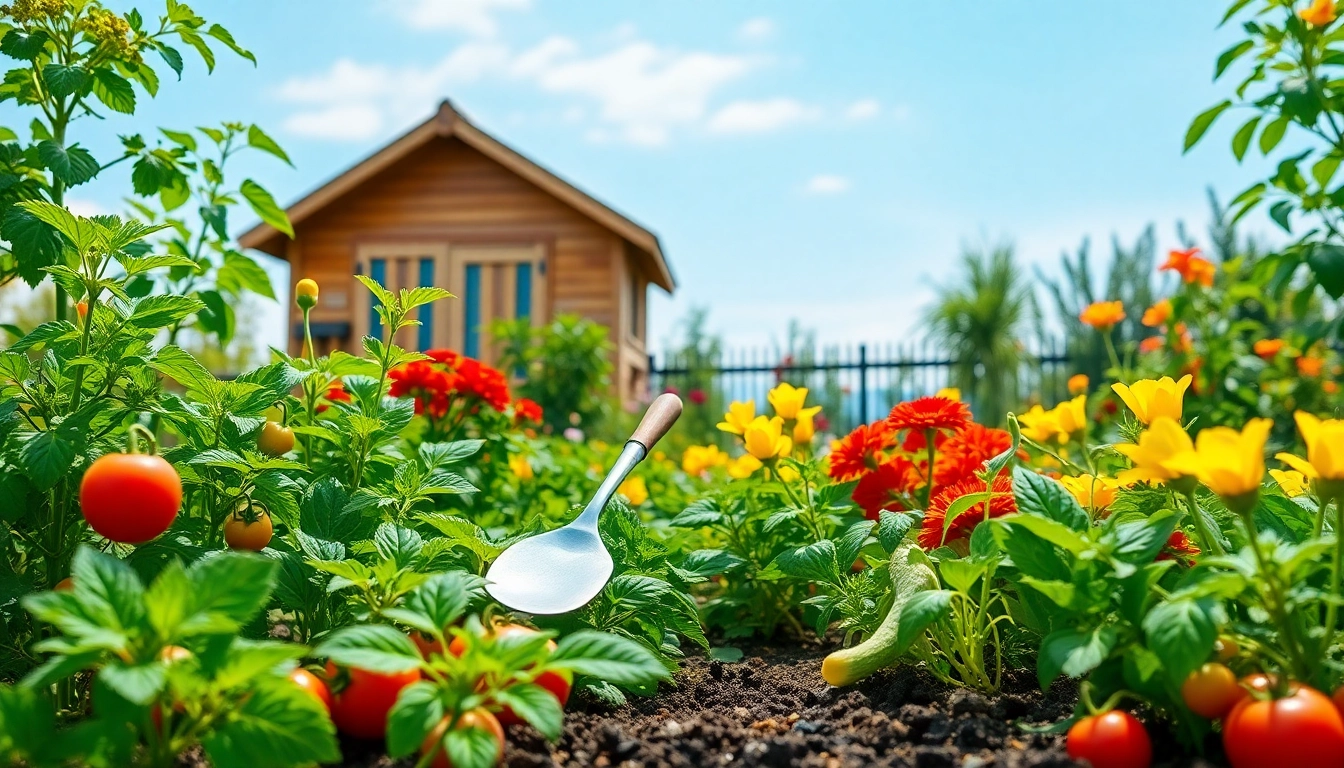
Having the right tools is essential for efficient gardening. Basic tools include a spade, hoe, rake, hand trowel, and pruning shears. Each of these plays a specific role, whether it’s preparing the soil, planting, or maintaining plant health. Investing in quality tools will save you time and effort, ultimately leading to a more enjoyable gardening experience.
Choosing the Right Soil and Fertilizers for Your Gardening
As discussed earlier, soil quality is vital; thus, selecting the right type of soil is essential. You can opt for potting mixes for container gardening or amend garden soil with organic matter and fertilizers for in-ground gardens. Organic fertilizers such as compost, manure, or fish emulsion provide slow-release nutrients and improve soil structure. Understanding the nutrient requirements of specific plants is also critical in developing a fertilization schedule that supports their growth.
Planters, Pots, and Other Gardening Containers
Containers can be a great option for those with limited space or poor soil conditions. Selecting the correct size and type of planter is important to accommodate the specific needs of various plants. Terracotta pots provide good drainage but tend to dry out quickly, while plastic containers retain moisture better but may restrict airflow to roots. Furthermore, consider using self-watering containers to support consistent moisture levels in your garden.
Advanced Gardening Techniques
Companion Planting Strategies in Gardening
Companion planting involves growing different plants together to promote mutual benefits. Certain plants can repel pests, attract pollinators, or improve nutrient uptake when paired correctly. For instance, planting basil near tomatoes can enhance the tomatoes’ flavor while keeping pests away. Educating yourself about suitable pairings can enhance yield and health in your garden.
Organic vs. Conventional Gardening Practices
Choosing between organic and conventional gardening practices is a significant decision for any gardener. Organic gardening promotes sustainability, focusing on natural growth cycles and ecological balance, often utilizing compost and natural pesticides. On the other hand, conventional gardening methods may rely on synthetic fertilizers and chemicals for faster results. Understanding the pros and cons of each approach can help you align your gardening practices with your values and goals.
Pest Management Techniques for Healthier Gardening
Effective pest management is critical to a thriving garden. Integrated Pest Management (IPM) combines biological, cultural, physical, and chemical control methods to minimize pests’ impact. This may involve introducing beneficial insects, using row covers, and regularly monitoring plant health. Additionally, it’s essential to keep plants healthy and stress-free, as unhealthy plants are more susceptible to pests and diseases.
Maintaining and Harvesting Your Garden
Watering Techniques for Efficient Gardening
Watering is a fundamental aspect of garden maintenance. Efficient techniques include drip irrigation, which delivers water directly to the roots, reducing evaporation and runoff. Hand watering allows for precise control, while soaker hoses can be effective for larger areas. Understanding the water requirements of your plants and monitoring soil moisture levels will guide your watering schedule and prevent both overwatering and underwatering.
Signs of Plant Maturity and When to Harvest
Knowing when to harvest your crops is key to maximizing flavor and nutrition. Signs of maturity vary among different plants; typically, you should look for changes in size, color, and texture. For example, tomatoes are best harvested when they’re fully colored and firm, while beans should be picked when they’re still crisp and tender. Regularly checking plants will help you catch the perfect moment to harvest.
Post-Harvest Care and Food Preservation
After harvesting, proper handling and storage of produce are crucial to minimize spoilage and maintain quality. Clean vegetables to remove dirt, and store them in a cool, dry place. Canning, freezing, and dehydrating are popular methods for preserving excess produce. Learning about these preservation techniques ensures that you can enjoy the fruits of your labor long after the growing season ends.