
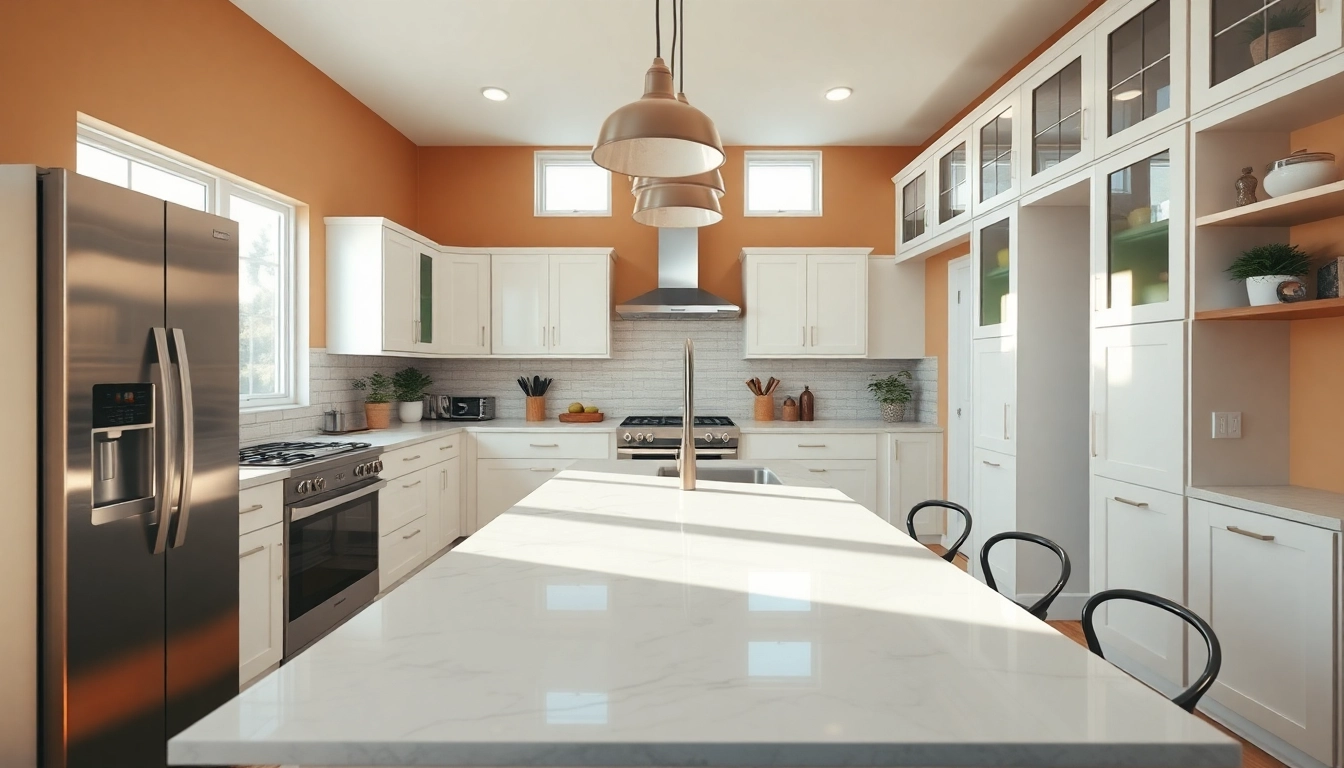
The Basics of Home Renovation
Understanding Home Renovation Fundamentals
Home renovation is a multifaceted process that involves transforming an existing structure into a more functional, aesthetically pleasing, and valuable property. Whether you are modernizing a kitchen, updating a bathroom, or completing a full house remodel, understanding the fundamentals of Home renovation is crucial for achieving your desired outcome. Within this domain, considerations range from the structural integrity of the property to aesthetics, compliance with local regulations, and alignment with your personal vision.
Identifying Your Goals and Objectives
Before embarking on a renovation project, clearly defining your goals is critical. Identify whether your objective is to increase home value, enhance functionality, modernize the look, or improve comfort. This step serves as the foundation for your renovation plan. Goals can also be categorized into immediate needs and long-term aspirations, allowing homeowners to prioritize effectively. An objective that takes precedence, such as expanding living space for a growing family, can often inform subsequent decisions regarding design and budget.
Creating a Renovation Budget
A well-planned budget is essential in any home renovation project. Without clear financial boundaries, costs can spiral out of control. Start by estimating the overall costs based on your defined goals. This includes materials, labor, unexpected contingencies, and potential permit fees. A good rule of thumb is to allocate an additional 10-20% of your total budget for unforeseen expenses. Furthermore, consider getting multiple quotes from contractors to create a realistic expectation of your renovation costs, ensuring that your aspirations align with your financial reality.
Planning Your Home Renovation Project
Design Considerations for Home Renovation
Design plays a crucial role in the success of a renovation project. Consider both the functionality and aesthetic appeal of the space to create a harmonious balance. Open floor plans have gained popularity, allowing for greater space efficiency and improved natural light flow. Additionally, maintaining architectural consistency is vital; renovations should complement the existing home style rather than clash with it. Using digital design tools can aid in visualizing your renovation and assessing how changes will impact your space.
Choosing the Right Materials
The materials you choose will significantly impact both the functionality and longevity of your renovation. Selecting high-quality materials can lead to better long-term value and performance. For instance, opting for energy-efficient windows not only enhances aesthetics but also reduces heating and cooling costs. Likewise, sustainable materials such as reclaimed wood or eco-friendly paint can resonate with environmentally conscious homeowners. Before finalizing your selections, consider both the upfront costs and the long-term investment potential of the materials.
Getting Necessary Permits and Approvals
Compliance with local building codes is mandatory before commencing a renovation. This often involves obtaining the necessary permits from local authorities, which can vary by region and project scope. Failing to secure these permits can result in costly fines or project delays. To avoid unnecessary complications, familiarize yourself with your local regulations and ensure all your plans align with legal requirements. Consulting with a contractor or architect can further simplify this process, as they are often well-versed in local codes and can navigate them on your behalf.
Involving Professionals in Home Renovation
Finding the Right Contractors
Choosing the right professionals to assist in your Home renovation is pivotal to its success. Research local contractors, focusing on their previous work, testimonials, and credentials. A contractor’s experience in specific renovation types is particularly valuable. For example, if you are undergoing a kitchen remodel, hiring a contractor specializing in kitchens will likely yield better results. Don’t hesitate to ask for references or portfolios to ensure their style aligns with your vision.
Essential Questions to Ask Your Contractor
Before signing a contract, prepare a list of essential questions to ask potential contractors. Inquire about their experience with similar projects, timelines, project management processes, and how they handle unforeseen issues and costs. It’s also helpful to ask about the tools and materials they prefer to work with, as this may influence the quality of the work. Clarifying responsibilities, payment schedules, and communication practices upfront will set the stage for a smooth working relationship.
Managing Communication with Your Team
Effective communication is integral to the success of any renovation project. Establish open lines of communication from the beginning, specifying how often you wish to receive updates and through what medium, be it email, phone calls, or project management software. Regular check-ins and status updates can help catch potential issues early and keep the project on track. Furthermore, if any challenges arise, address them promptly and constructively to facilitate timely solutions.
Executing Your Home Renovation Plan
Steps to Follow During Renovation
During the execution of your renovation, adhering to a systematic approach is key. Start by ensuring that all necessary permits are approved and in place. Next, develop a schedule that outlines each phase of the renovation, allocating expected completion timelines for each task. Keeping track of progress against this timeline can help identify delays early, allowing for adjustments to be made as necessary. Regular site visits or contractor meetings can also help ensure that everything aligns with your vision and quality standards.
Troubleshooting Common Renovation Issues
Despite careful planning, renovation projects can encounter a range of issues. Common problems include budget overruns, delays due to weather or supply shortages, and conflicts with contractors. To mitigate these issues, maintain a flexible mindset. For instance, if you discover structural issues during renovations that were not initially anticipated, be prepared to adjust your budget and timeline accordingly. Open communication with your contractor can help resolve conflicts and facilitate collaborative problem-solving.
Timeline Management and Milestones
Benchmarking the completion of various tasks against your timeline can help manage project flow effectively. Set specific milestones within your overall schedule, and celebrate these achievements as they occur. This reinforces morale and keeps the renovation team energized. Regularly revisiting these milestones can also provide insight into potential bottlenecks or areas that need additional focus, keeping the project on track for timely completion.
Post-Renovation Considerations
Final Inspections and Adjustments
Once the renovation is complete, conducting a thorough inspection is paramount before finalizing any payments or signing off on the project. Walk through your home with your contractor, discussing any issues that may require attention. Pay close attention to the finishing details, such as trim work, paint quality, and functionality of appliances and fixtures. Creating a punch list of items that need adjustments can help ensure that all details are addressed to your satisfaction before project closure.
Decorating and Furnishing Your Newly Renovated Space
With the renovation complete, you can begin the exciting phase of decorating and furnishing your newly transformed space. Consider choosing furniture and décor that complement your renovation style and contribute to the functionality of the space. For instance, a modern kitchen may benefit from sleek, minimalistic furnishings, while a cozy living room may call for more traditional or comfortable seating options. Utilizing a mix of new acquisitions and existing pieces can also create a more personalized touch, ensuring that your home reflects your unique style.
Maintaining Your Renovated Areas Over Time
Home renovation is not a one-time effort but a continuous journey. Once you’ve completed a project, establishing a maintenance schedule will help ensure the longevity and quality of your renovations. Regular inspections of areas such as roofs, plumbing, and electrical systems can catch potential issues before they escalate into costly repairs. Additionally, periodic updates to paint, fixtures, and décor can keep your home feeling fresh and inviting.